Front Wheel Drive vs AWD: Which One for a Nebraska Winter?

Today in Fremont it’s 60 degrees and windy, the lots are dry, and winter feels a long way off. It isn’t. The first slick morning usually shows up when nobody’s ready for it, and the question a lot of shoppers ask is the same one we hear every year: front-wheel drive or all-wheel drive? We’ve got 337 vehicles across our three lots right now, and 51 of the SUVs are front- or all-wheel drive, so this isn’t a theoretical question. Here’s the straight version of what each system does, what it costs, and which one fits the way you actually drive.
Front-wheel drive: the cheaper way through winter
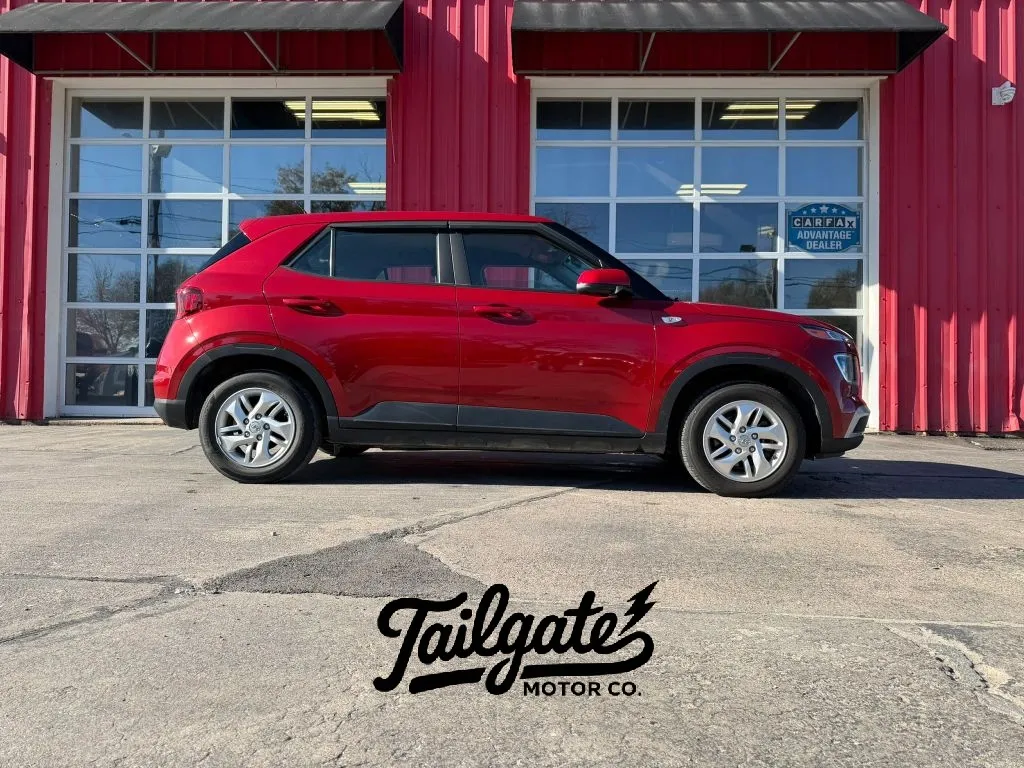
Front-wheel drive is the simplest setup on the road, and simple has its perks. The engine and the driven wheels are all up front, which keeps weight over the wheels doing the pulling and keeps the price down. A front-wheel drive car costs less to buy, usually sips a little less gas, and there’s less hardware to wear out. On plowed Fremont streets, with a decent set of tires, it handles winter just fine — most of the cars you’ve driven your whole life were front-wheel drive. Right now we’ve got 43 front-wheel drive vehicles on the lots, including 12 SUVs and 17 sedans. The SUVs start at $10,793 for a 2020 Chevy Trax at our South lot, and a 2023 Hyundai Venue runs $14,344. The sedans start lower still — a 2013 Chevy Volt at $6,839. The trade-off is the obvious one: when the road turns to ice or the snow gets deep, two driven wheels can only do so much, and you’re more likely to spin pulling out of an unplowed parking spot or up a slick driveway.
All-wheel drive: grip when the road turns ugly
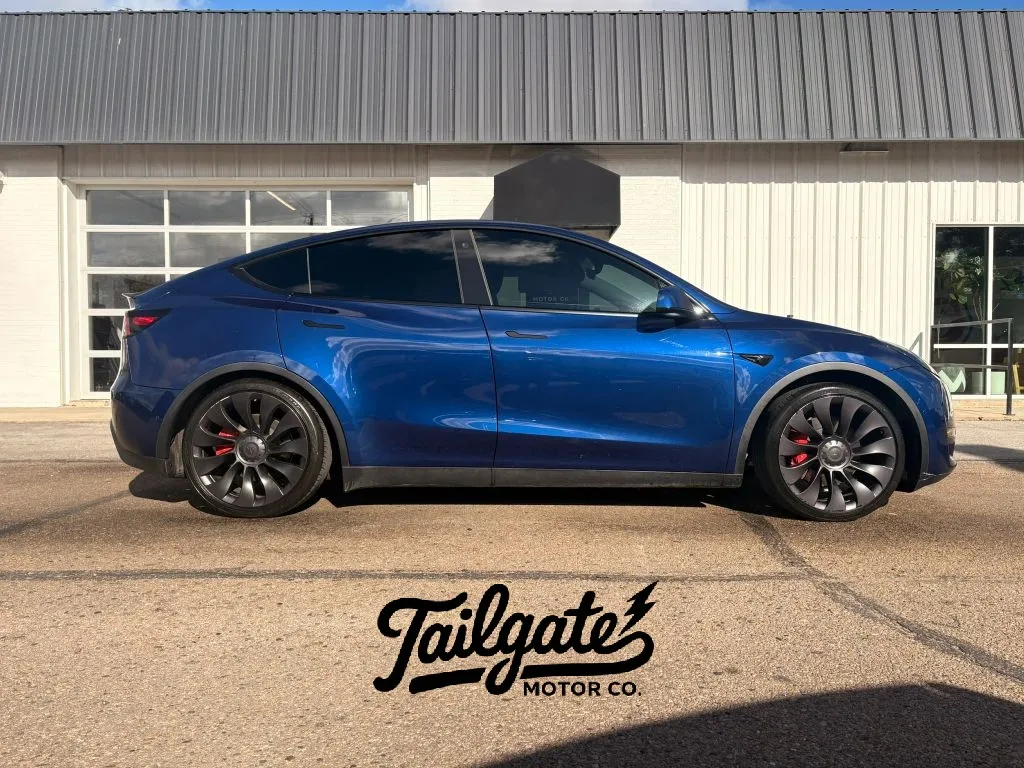
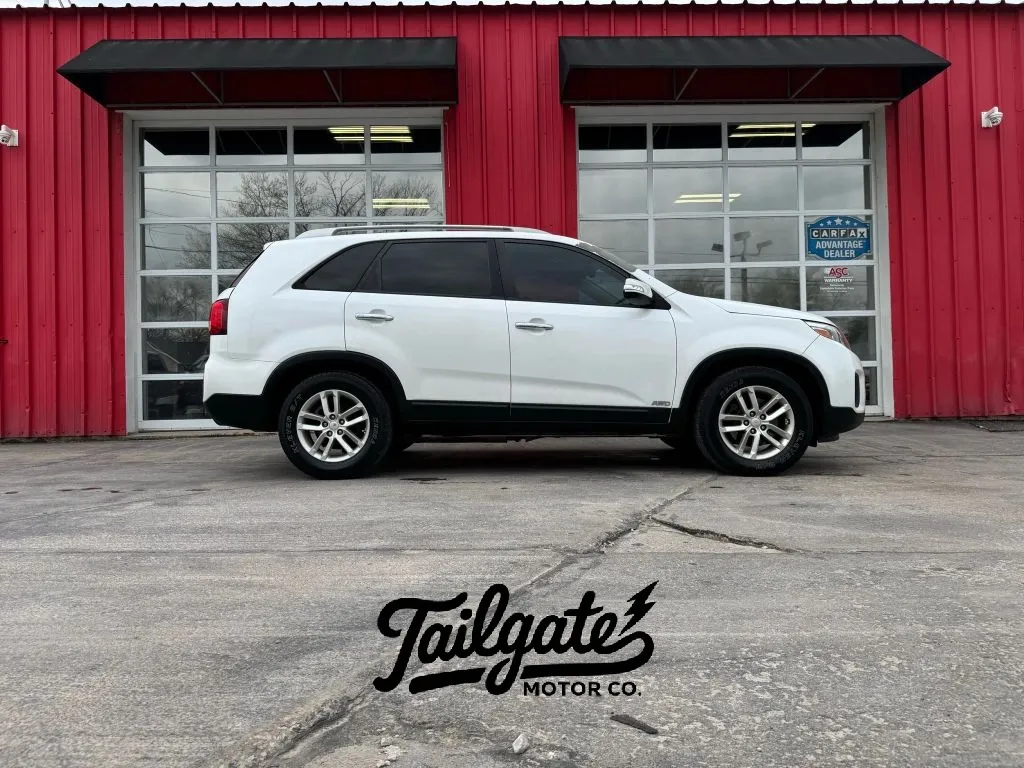
All-wheel drive sends power to all four wheels, and it does it on its own — no buttons, no thinking about it. When one wheel starts slipping, the system shifts power to the ones that still have grip. That’s the whole appeal in a Nebraska winter: pulling away from a stop sign on packed snow, or getting up a drifted county road before the plows come through. What it won’t do is help you stop. That’s the tires’ job, and it’s worth saying plainly, because a lot of people buy AWD and assume the hard part of winter is handled. It isn’t. AWD helps you go; good tires help you stop. You need both. We have 52 all-wheel drive vehicles right now, 39 of them SUVs, and 20 of those are under $20,000. The cheapest is a 2015 Kia Sorento at $6,644 on our North lot, and a 2017 Volkswagen Tiguan runs $9,744. At the top end there’s a 2024 Tesla Model Y at $34,949. You pay more for AWD than the same SUV in front-wheel drive, but for a lot of drivers that extra grip is the whole point.
Your roads decide, not the brochure
Here’s where the decision actually gets made: what do you drive on, and when? If your driving is Fremont, Omaha, and Wahoo pavement that gets plowed within a day, a front-wheel drive car on good tires will get you through winter and save you money doing it. If your mornings start before the plows run, or your driveway is a gravel lane outside town, or your commute takes you down county roads that drift shut in a north wind, all-wheel drive earns its keep the first time you don’t have to call someone for a push. Think about the worst ten mornings of your winter, not the average one. If those ten mornings are just cold and dry, save the money. If they involve unplowed roads and a hill you have to climb to get to work, spend it.
What about 4x4?
Worth a quick word, because it’s the third option and the one Nebraska truck buyers usually end up with. Four-wheel drive is a different system from AWD — heavier-duty, built for towing and deep snow and ground clearance an SUV doesn’t have. We’ve got 45 four-wheel drive SUVs and 166 four-wheel drive pickups on the lots, so if your winter involves a trailer or a pasture, that’s where the conversation goes. For most SUV shoppers, though, the real choice is front-wheel drive or AWD — the price jump to a 4x4 is a separate decision.
So which one should you buy?
If you’re mostly on pavement and you keep good tires on the car, buy the front-wheel drive and put the savings toward the tires — they’re the part that actually stops you on ice. If you drive gravel, leave before dawn, or you’ve been stuck before and don’t want to be again, buy the AWD. And if you can, drive both back to back on the same day. The difference between them isn’t something a spec sheet explains well. You feel it in the first turn out of a snowy parking lot. Come by the North lot at 520 W 23rd St and we’ll put you in one of each.
Winter’s coming whether the forecast says so or not. Today it’s 60 and windy, which makes it a good day to walk the rows and sort this out before the first snow does it for you. North is at 520 W 23rd St in Fremont, South at 735 S Broad St, and Wahoo at 511 Commercial Park Road. Fifty-one front- and all-wheel drive SUVs are sitting out there right now, from $6,644 to $34,949. Come drive a couple and see which one feels right.
If four-wheel drive is the part you’re still deciding on, here’s the other side of it: we’ve got 166 used 4x4 trucks in Fremont and Wahoo right now, from $6,344, and a rundown of what ten, twenty, and thirty thousand dollars actually buys — Used 4x4 Trucks in Fremont, NE.
If it’s the SUV side of the decision you’re still weighing, here’s the count from this morning: 100 used SUVs in Fremont and Wahoo right now, 52 of them under $20,000, from $6,644 — Used SUVs Under $20,000 in Fremont, NE.
Filed under: Nebraska Driving