Subprime Auto Lenders: What They Are, What They Cost, and How to Spot a Bad Deal in Nebraska

Nobody grows up dreaming about subprime auto lenders. You meet them the way most people do — your credit took a hit somewhere along the way, and now the bank that used to say yes is saying maybe, or nothing at all. A subprime auto lender is the lender that still says yes. That yes is real — for a lot of folks around Fremont it's the difference between getting to work and not getting to work. But it's only half the story. The terms decide whether the deal helps you or haunts you for the next five years.
What a Subprime Auto Lender Actually Does
"Subprime" is just the industry's word for a lower credit score — usually anything under the mid-600s, though every lender draws the line somewhere different. A subprime auto lender is a bank, credit union, or finance company willing to lend to that borrower anyway. They charge more for the risk: you pay a higher rate because, on paper, you're more likely to miss a payment.
Most of the time you never deal with the lender directly. You apply at the dealership, and the dealership sends your application to a bench of lenders. That's how it works here. We work with banks — real banks and credit unions — not buy-here-pay-here, and not our own in-house financing. The difference matters: a bank loan builds your credit back up when you pay it on time, and an in-house lot loan usually doesn't. Subprime lending isn't only for bad credit, either. First-time buyers with no credit history land in the same bucket, and so do folks who've always paid cash and have nothing on file.
The Three Numbers That Matter More Than the Monthly Payment
Every subprime deal gets sold on the monthly payment. Three numbers tell you the truth.
First, the interest rate. Subprime rates run higher than prime rates — sometimes a lot higher. A couple of points either way can mean thousands over the life of the loan, so ask what rate you're actually getting, and whether a bigger down payment or a cheaper car would bring it down.
Second, the term. A longer loan makes the monthly payment smaller, which feels like a favor. It isn't, not on its own — stretch a loan to six or seven years and you're paying interest long after the car's best days are behind it, sometimes still making payments on a car that won't start.
Third, the total amount you'll pay. Add up every payment, not just the monthly one — a $9,000 car can cost a lot more than $9,000 by the time the last check clears. You deserve to know that number before you sign, and any lender or dealer who won't walk you through it in plain English is telling you something.
Five Red Flags Before You Sign
A subprime loan can be a perfectly good tool. These are the signs it's being used against you.
One: yo-yo financing. You drive the car home, then get a call a week later: the financing fell through, come back and sign worse terms. Ask if the deal is final before you take the keys.
Two: add-ons you didn't ask for — warranties, gap coverage, paint protection — folded into the loan at prices nobody quoted out loud. Some are worth having. None should be a surprise.
Three: a very long term on an old car. Six years of payments on a car with 160,000 miles already on it is a bet the car will outlast the loan.
Four: weekly payments. Quoting a loan by the week makes the number sound small and hides what you're actually paying. Always convert it back to monthly — and then to the total.
Five: pressure. "This rate is only good today." "Somebody else is looking at this truck." A good deal tomorrow is still a good deal tomorrow — the ones that evaporate the minute you leave the lot were never deals.
What to Bring, and What's on Our Lots Right Now
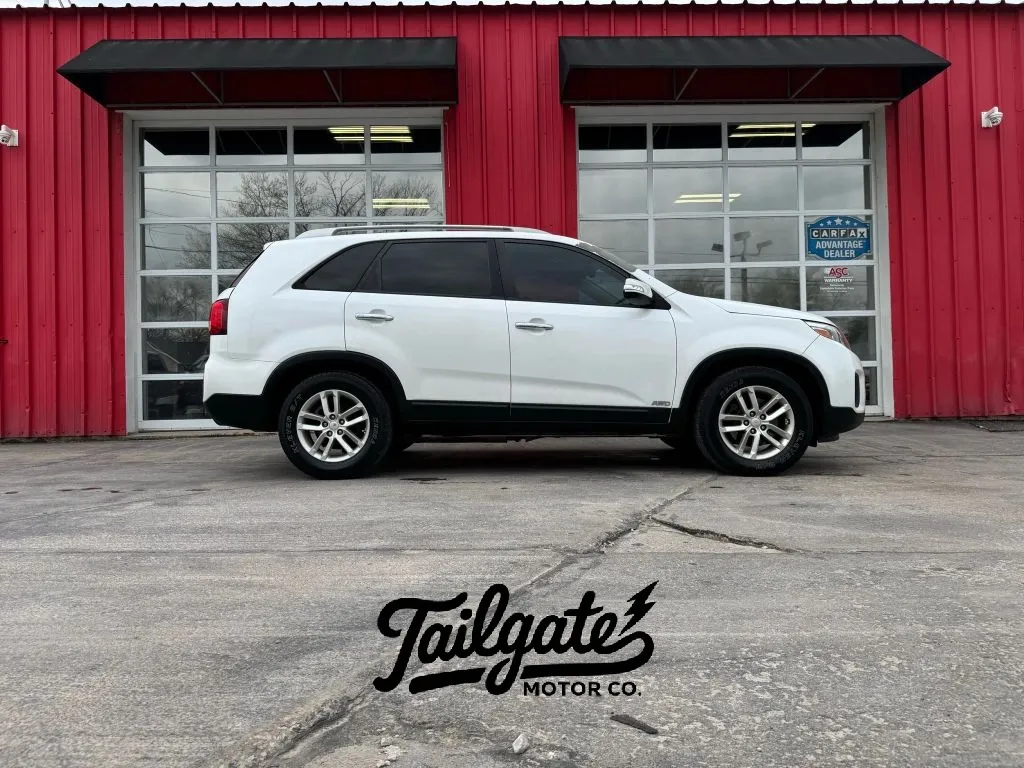
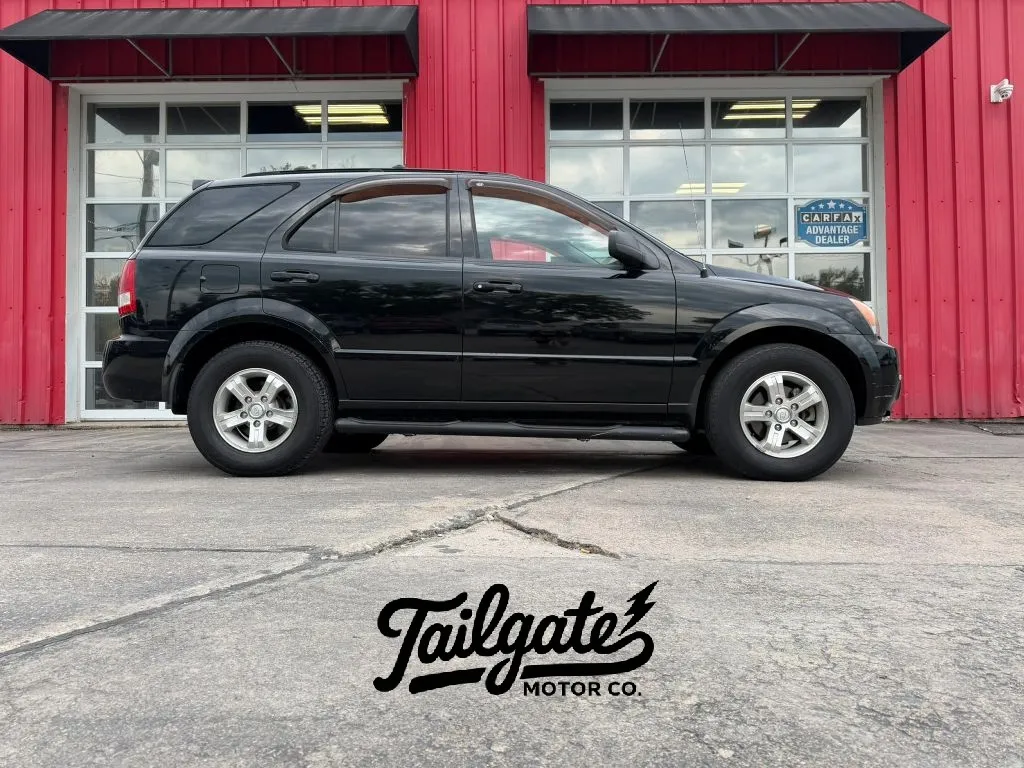
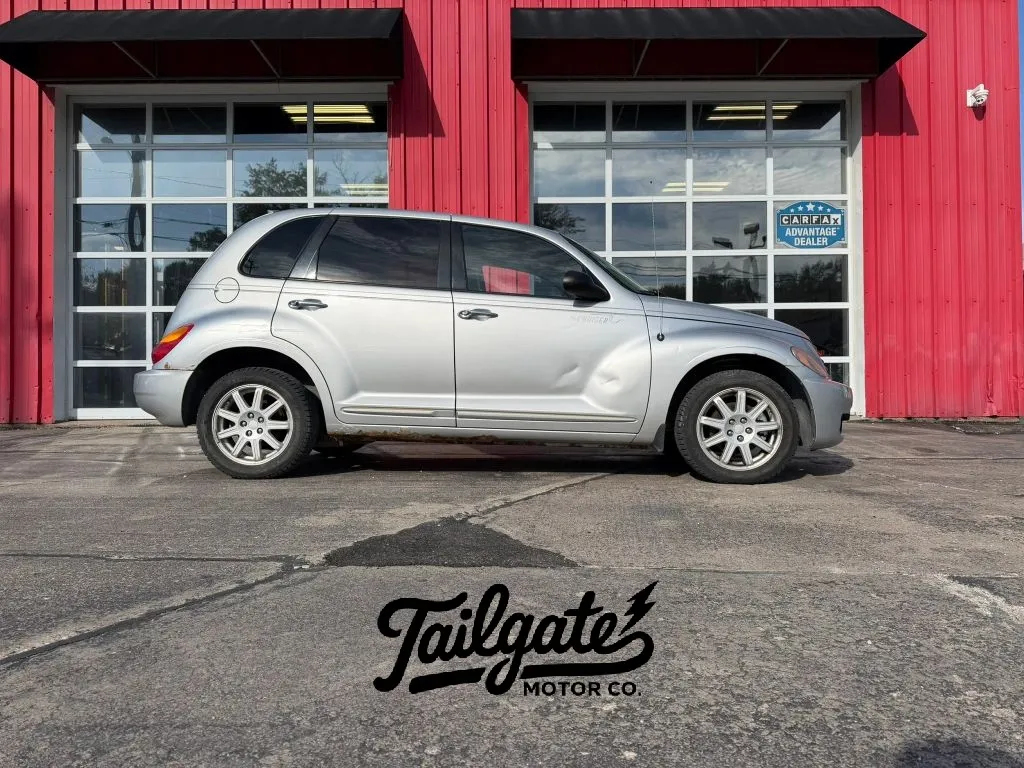
If you're coming in to talk financing, bring the boring stuff: recent pay stubs, proof of where you live, your ID, and your insurance information if you've got a policy already. A down payment helps more than people think — it lowers what you're borrowing, which can lower the rate and the payment both. And the cars matter as much as the credit. A smaller loan on a cheaper car is easier to get approved and easier to live with. Right now we've got 341 vehicles across our three lots in Fremont and Wahoo — 92 under $15,000, 29 under $10,000, and 14 of that under-$10,000 group have four-wheel or all-wheel drive, which counts for something with winter coming on. The cheapest car on the lots today is a 2007 Chrysler PT Cruiser at $3,237. A 2015 Kia Sorento with all-wheel drive is $6,644, a 2004 GMC Envoy with four-wheel drive is $8,044, and the cheapest F-150 on the rows is a 2007 regular cab at $8,844. Today is sunny and 47 — a decent day to walk the rows before anybody runs a credit check.
Subprime auto lenders exist because life happens to people's credit. Go in knowing the three numbers, watch for the five red flags, and pick a car whose price leaves you room to breathe. If you want a head start, the application is online — a few minutes, and you'll know where you stand before you drive over. Then come see us at Tailgate North, 520 W 23rd St in Fremont, or out at the Wahoo lot, and we'll find something that works.
Filed under: Financing