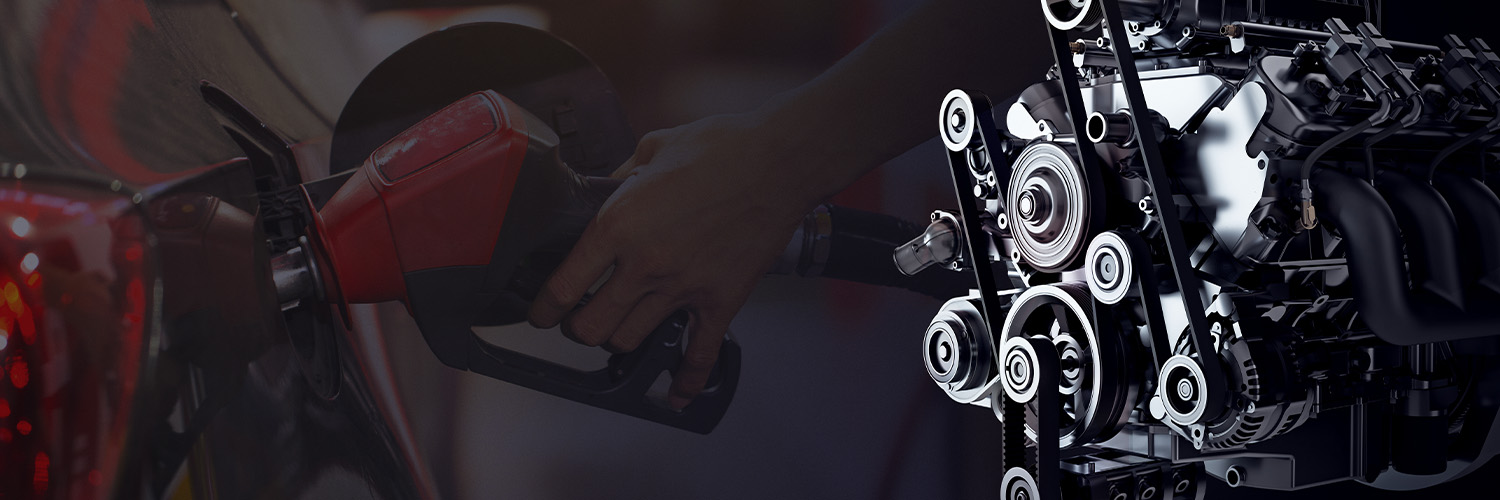
Engine with fuel pump in the background.

Trying to pick between a gas engine and a diesel? Each has its strengths, and the right fit comes down to how you drive. At our Nebraska used car dealers, we’ll help you sort through the options so you can decide with confidence.

Have a look at the comparison below, then connect with our team if you want a second opinion. Tell us how you drive and we’ll point you toward the right truck or car.
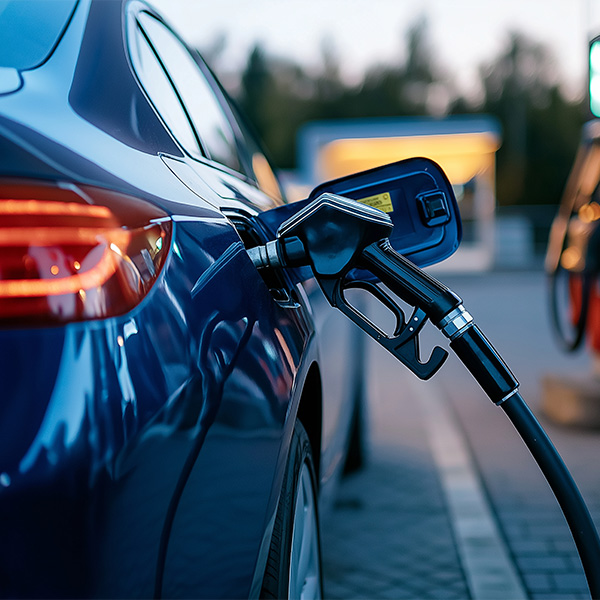
Car at gas station with pump fueling the car.

Advantages of Gas Engines

  1. Affordability: Gas engines typically come with a lower initial purchase price and generally cost less to maintain and repair, making them a budget-friendly choice for many drivers.
  2. Wider Accessibility: Gasoline is more readily available across fuel stations nationally, offering convenience to drivers who frequently travel or live in areas with limited diesel options.
  3. Smoother Operation: Known for a quieter and smoother ride, gas engines provide a comfortable driving experience without the noise often associated with diesel engines.
  4. Best for Short Journeys: If your routine includes short, frequent trips, like city driving, gas engines are a great match due to their ability to warm up and cool down quickly.

Advantages of Diesel Engines

  1. Superior Fuel Efficiency: Diesel engines are renowned for their excellent fuel economy, often delivering more miles per gallon, which translates into significant fuel savings, especially for long-distance driving.
  2. High Torque Output: Diesel engines offer greater torque, making them ideal for towing, hauling or tackling off-road conditions often required in trucks and utility vehicles.
  3. Long-Lasting Durability: Built to handle high pressures, diesel engines typically boast longer life spans, making them an excellent choice for those seeking longevity in their vehicle.
  4. Better Resale Value: Due to their durability and efficiency, diesel-powered vehicles often retain their value better than gasoline-powered cars.
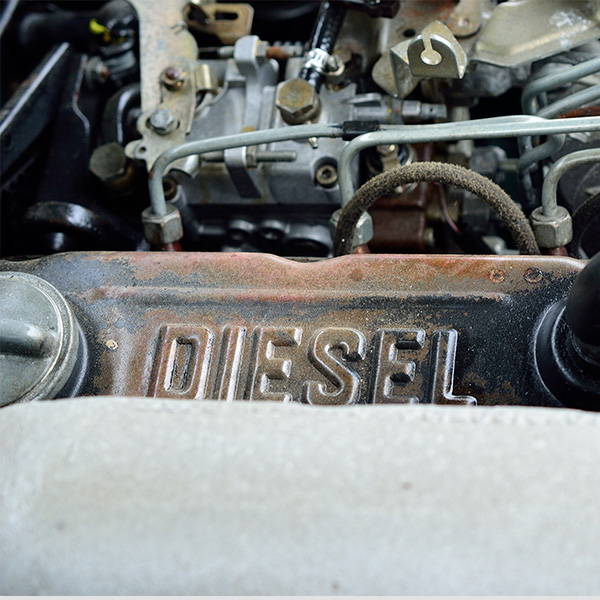
Diesel engine
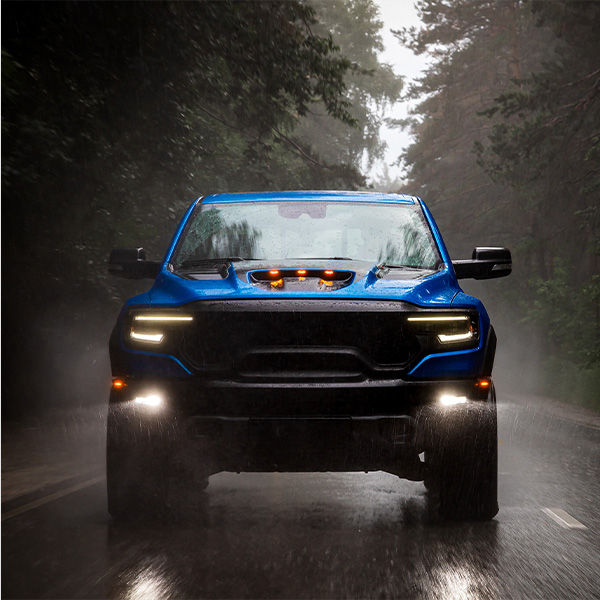
Front view of a truck driving in the rain.

Key Differences Between Gas vs. Diesel Engines

  • Efficiency and Economy: Diesel engines generally provide better fuel economy due to the higher energy content of diesel fuel.
  • Performance: Diesel engines excel at delivering torque for demanding tasks, while gas engines are known for higher horsepower, which means faster acceleration.
  • Emissions: While gas engines emit less CO2, modern diesel engines have improved significantly with advanced emission-control technologies.

Buy Gas & Diesel Vehicles in Nebraska

Picking between a gas engine and a diesel in Nebraska comes down to how you’ll actually use it. Our diverse inventory ensures you'll find a vehicle that suits your needs, whether you value efficiency, power or versatility. Contact Tailgate Motor Co. and our knowledgeable team is here to provide guidance and support throughout the decision-making process.

Check out our extensive range of vehicles online or visit us to experience them firsthand. The perfect used vehicle for your future is waiting in our inventory!

Additional Resources:

Used Vehicle Inventory | Bad Credit Auto Financing | Why Choose Tailgate Motor Co.?

Diesel vs. Gas for Towing: Which Pulls Better in Nebraska?

If you tow regularly — a camper to the lakes, a livestock or equipment trailer, a boat, or a fifth wheel — this is where the diesel engine vs gas engine question really gets answered.

Torque is king. Diesel engines make far more low-end torque than a comparable gas V8, and torque is what gets a heavy trailer moving and holds speed on I-80 hills without the transmission hunting for gears. Modern diesel pickups like the Ford Power Stroke, Ram Cummins, and Chevy Duramax are rated for substantially higher towing and payload than their gas counterparts in the same truck.

Fuel economy under load. A gas truck towing heavy often drops into the high single digits for MPG. A diesel towing the same trailer typically does noticeably better, and diesel exhaust braking saves your brakes on long downgrades.

The trade-offs. Diesel trucks cost more to buy, diesel fuel and DEF add up, and maintenance like fuel filters costs more. If you mostly commute and tow a small trailer a few times a year, a gas V8 is usually the smarter buy. If you tow heavy every week, the diesel pays you back in capability and resale value — used diesel trucks hold their value exceptionally well in Nebraska.

We stock both. Compare our used trucks, including Power Stroke, Cummins, and Duramax diesels, or browse the full used inventory at Tailgate Motor Co. in Fremont and Wahoo.

One more Nebraska wrinkle: winter. A gas truck warms up fast on short cold-morning hops around town, while a diesel rewards drivers who give it a proper warm-up and regular highway miles — a diesel that only ever does short trips tends to rack up more emissions-system headaches. If your truck mostly sits in the driveway all week and hauls on weekends, that routine alone can tip the decision.

Here's the short version of how they differ under the hood. Both are internal combustion engines, but a gasoline engine mixes fuel and air and lights it with a spark plug, while a diesel compresses the air until it gets hot enough to ignite the fuel by itself. That high compression ratio is the whole story: it's why a diesel pulls so hard at low revs and sips fuel on the highway, and also why it's louder at idle and grumpier on a cold Fremont morning before it's warmed up. So when somebody asks us about diesel vs gas engines, that's where we start — a gas truck is the easy everyday pick, and a diesel is the one you buy when the truck has real work to do.

Shopping for a diesel truck right now? Start with our buyer's guide: Used Diesel Trucks for Sale in Fremont, NE

Winter changes the math on a diesel, too — cold starts, fuel gelling, and block heaters all matter once the temperature drops. Here's what to check before you buy: Diesel Trucks for Sale in Fremont, NE — Will Yours Start on a Cold Nebraska Morning?

Fuel costs add up either way — here is how to spend less at the pump: How to Protect Your Wallet at the Pump